
Acne is one of the most prevalent skin conditions worldwide, yet it remains one of the most misunderstood. During Acne Awareness Month, we are moving beyond surface-level advice and exploring what is actually happening within the skin, and more importantly, how to treat acne effectively and prevent long-term damage.
For many patients, acne is not simply an occasional breakout. For most, acne is a chronic inflammatory condition that can persist for years, evolves over time, and impacts both physical appearance and emotional well-being. The good news is that with the right approach, acne is highly treatable.
What Is Acne, Really?
At its core, acne is a disorder of the pilosebaceous unit, which includes the hair follicle and its associated oil gland. Under normal conditions, these structures function to lubricate and protect the skin. However, when this system becomes dysregulated, it sets the stage for acne development.
The process begins with excess sebum production. Sebum is not inherently problematic, and is essential for maintaining skin hydration, but when overproduced, it combines with dead skin cells to form a plug within the follicle. This blockage creates an environment where bacteria can thrive, triggering an inflammatory response.
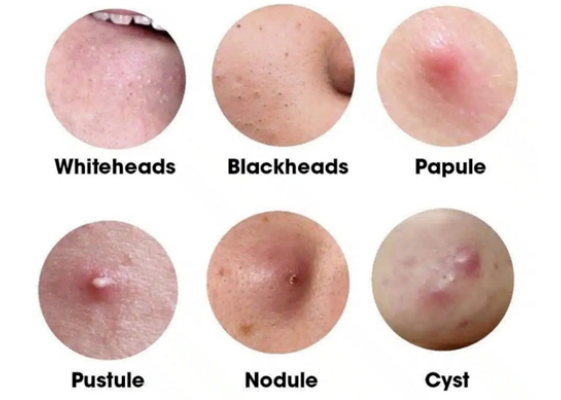
The blackheads, inflamed pimples, or deep cysts patients notice on their skin is the visible result of these underlying biological processes.
Why Acne Develops: A Multifactorial Condition
One of the most important concepts for patients to understand is that acne is rarely caused by a single factor and is often driven by a combination of hormonal, biological, and environmental influences.
Hormones, particularly androgens, stimulate the sebaceous glands to produce more oil and play a central role in the formation of acne. Fluctuations in these hormones is why acne commonly emerges during puberty and why many adults, especially women, experience acne related to menstrual cycles, pregnancy, or hormonally-driven metabolic conditions such as polycystic ovary syndrome (PCOS).
In addition to hormonal influence, the skin’s natural shedding process can become disrupted and instead of shedding evenly, dead skin cells accumulate and contribute to pore obstruction. Once the follicle is blocked, Cutibacterium acnes (C. acnes) bacteria proliferate, further fueling inflammation.
What makes acne particularly complex is that inflammation is present at every stage, and why early and consistent treatment is critical.
Acne Is Not Just a Teen Condition
While acne is often associated with adolescence, adult acne is increasingly common and can present differently. Many adult patients experience persistent breakouts concentrated along the lower face, jawline, and neck. These breakouts tend to be more inflammatory and are often driven by hormonal fluctuations.
Unlike teenage acne, which may resolve over time, adult acne often requires a more strategic and sustained treatment approach. Without proper management, it can continue for years and increase the risk of scarring and pigmentation changes.
The True Impact of Acne on Skin Health
Acne is frequently minimized as a cosmetic issue, but clinically, it has significant implications for long-term skin health. One of the most important reasons to treat acne early is to prevent scarring. Inflammatory lesions can damage collagen within the skin, leading to permanent textural changes.
Additionally, many patients experience post-inflammatory hyperpigmentation (PIH), which appears as dark spots after a breakout heals. This is particularly common in individuals with medium-to-darker skin tones and can persist for months if not properly addressed.
Beyond the physical effects, acne can also take a psychological toll. Studies have consistently shown a link between acne and decreased self-esteem, anxiety, and even depression. Effective treatment often improves not only skin clarity but also overall quality of life.
Why Over-the-Counter Treatments Often Fall Short
Many patients spend months or even years trying over-the-counter products with limited success. While certain ingredients like salicylic acid and benzoyl peroxide can be helpful, they are often not sufficient for moderate-to-severe cases of acne.
One of the most common mistakes in managing acne is taking a one-dimensional approach to a multi-factorial condition. For example, using only drying products may temporarily reduce oil but can ultimately disrupt the skin barrier, leading to increased irritation and even more breakouts.
Another challenge is maintaining consistency in treatment. Acne treatments often take several weeks to months to begin showing improvement in overall acne breakouts, and stopping or switching products too frequently can prevent meaningful improvement.
This is where professional guidance becomes essential.
Evidence-Based Acne Treatments That Work
Effective acne treatment is about using the right combination of therapies tailored to the individual.
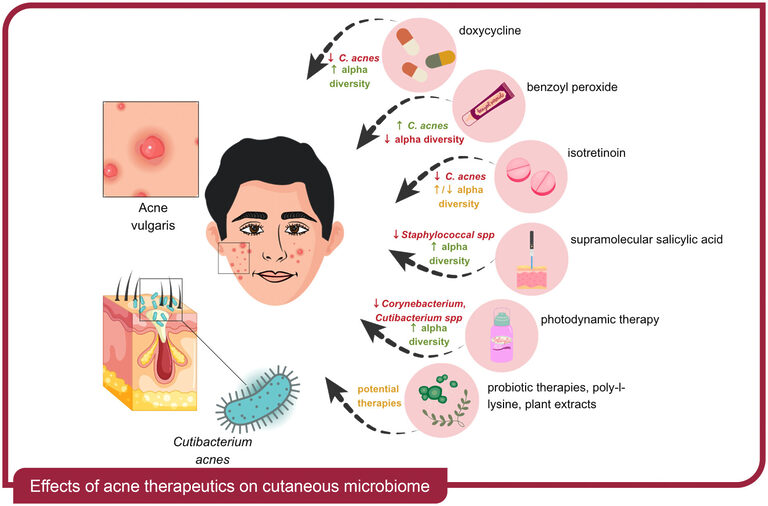
Topical retinoids remain one of the most important tools in acne management. They work by normalizing skin cell turnover, preventing clogged pores, and reducing inflammation at a cellular level. Unlike spot treatments, retinoids address acne formation before it becomes visible.
For patients with inflammatory acne, antibacterial treatments such as benzoyl peroxide or topical antibiotics may be incorporated to reduce bacterial overgrowth. In more persistent cases, oral medications can provide additional support.
Hormonal therapies, including spironolactone or certain oral contraceptives, are particularly effective for patients with hormonally driven acne. These treatments target the root cause by reducing androgen activity and subsequent oil production.
For severe or treatment-resistant acne, isotretinoin (“Accutane”) remains the most effective option, offering long-term remission for many patients when appropriately monitored.
In addition to medical treatments, in-office procedures such as chemical peels and light therapies can enhance results by improving skin turnover, reducing inflammation, and addressing post-acne discoloration.
The Role of Skincare in Acne Management
While medical treatments form the foundation of acne care, a well-designed skincare routine plays a critical supporting role.
The goal of building a simple, yet well-rounded skincare routine is to maintain the microclimate that exists on your skin naturally, without aggressively stripping all oils or causing irritation. Gentle cleansing helps remove excess oil and debris without disrupting the skin barrier. A lightweight, non-comedogenic moisturizer is essential to maintain hydration and prevent irritation, especially when using active treatments like retinoids.
Sun protection is a critical yet often overlooked step in the daily skincare routine for acne patients. Many acne treatments increase photosensitivity, and UV exposure can worsen post-inflammatory hyperpigmentation, prolong the healing process, and significantly increase your risk of skin cancer.
Consistency is key. Even the most effective regimen will fail if it is not followed regularly.
Lifestyle Factors That Influence Acne
While acne is primarily driven by internal processes, certain lifestyle factors can influence its severity.
Diet is one area of ongoing research, but there is growing evidence that high-glycemic foods may exacerbate acne in some individuals by increasing insulin levels and promoting oil production. Dairy has also been implicated in certain cases, though this varies from person to person.
Stress is another significant contributor. Elevated cortisol levels can increase oil production and inflammation, creating conditions that favor breakouts. While stress alone may not cause acne, it can certainly worsen existing disease.
High-quality sleep also plays a vital role in skin repair and immune regulation. Chronic sleep deprivation can disrupt these processes, making it more difficult for the skin to heal.
When It’s Time to See a Dermatology Provider
Many patients wait too long to seek professional care, often after experiencing frustration with ineffective treatments. However, early intervention can significantly improve outcomes and reduce the risk of long-term damage.
If acne is persistent, worsening, or leaving marks on the skin, it is time to consult a dermatologist. A personalized treatment plan can address not only the visible breakouts but also the underlying causes driving them.
There is no universal solution for acne, which is why individualized care is so important. Factors such as skin type, acne severity, hormonal influences, and lifestyle all play a role in determining the most effective treatment strategy.
At Dermatology Healthcare Excellence, we focus on comprehensive acne management that combines medical treatments, skincare guidance, and lifestyle considerations to deliver lasting results.