
As winter fades and temperatures begin to rise, many people notice changes in their skin. Dryness may start to improve, oil production can increase, and new environmental factors such as higher humidity, allergens, and stronger ultraviolet (UV) exposure begin to affect the skin.
Seasonal transitions have a measurable impact on skin physiology. Studies examining seasonal variation in skin properties show that environmental factors like temperature, humidity, and UV radiation significantly influence hydration levels, skin barrier function, and inflammation.
Because of these physiological and environmental changes, dermatologists often recommend adjusting skincare routines between seasons. Understanding how winter conditions affect the skin and how spring alters those conditions can help patients maintain healthy, balanced skin throughout the year.
How Winter Affects the Skin
To understand how to transition your skincare routine, it is helpful to first understand how winter impacts the skin.
During colder months, environmental humidity drops and temperatures fall. Research shows that low humidity and cold temperatures weaken the skin barrier and increase susceptibility to irritation and mechanical stress.
The skin barrier is primarily composed of the stratum corneum, lipids, and structural proteins, and acts as the body’s protective shield. When this barrier is disrupted, water escapes from the skin more easily through a process known as transepidermal water loss (TEWL). TEWL is widely used in dermatologic research as a measure of skin barrier integrity and hydration.
Winter environmental conditions can significantly increase TEWL and reduce hydration levels in the stratum corneum, which is the outermost layer of the skin. Clinical studies examining seasonal differences in skin physiology consistently show higher dryness and poorer barrier function during colder months.
These physiological changes often lead to common winter skin symptoms such as:
- Dry or flaky skin
- Increased sensitivity
- Redness or irritation
- Worsening of eczema or dermatitis
As winter ends, the skin begins adapting to environmental changes that occur in spring.
What Happens to the Skin in Spring
Spring introduces a new set of environmental conditions that affect skin physiology. Rising temperatures, increased humidity, and longer daylight hours all influence how the skin behaves.
Research evaluating seasonal changes in skin parameters demonstrates that skin hydration levels and barrier function typically improve as temperatures and humidity rise.
In fact, studies measuring transepidermal water loss and skin hydration during seasonal transitions have found that epidermal hydration can increase while skin roughness decreases as environmental conditions become warmer and more humid.
However, while hydration may improve, other factors begin to affect the skin in spring:
- Increased oil production
- Higher UV exposure
- Seasonal allergens
- Greater environmental pollutants
Because of these changes, skincare routines that worked well in winter may no longer be ideal as spring approaches.
Key Skincare Changes to Make from Winter to Spring
Transition to Lighter Moisturizers
During winter, thicker creams and occlusive products are often necessary to prevent water loss and support the skin barrier. As humidity increases in spring, many people benefit from transitioning to lighter moisturizers.
Gel-cream or lotion formulations can provide hydration without the heavier occlusion needed during colder months. However, maintaining hydration is still essential because the skin barrier may still be recovering from winter dryness.
Moisturizers containing ingredients such as hyaluronic acid, glycerin, ceramides, and niacinamide can help support barrier repair and hydration while feeling lighter on the skin.
Adjust Cleansing Habits
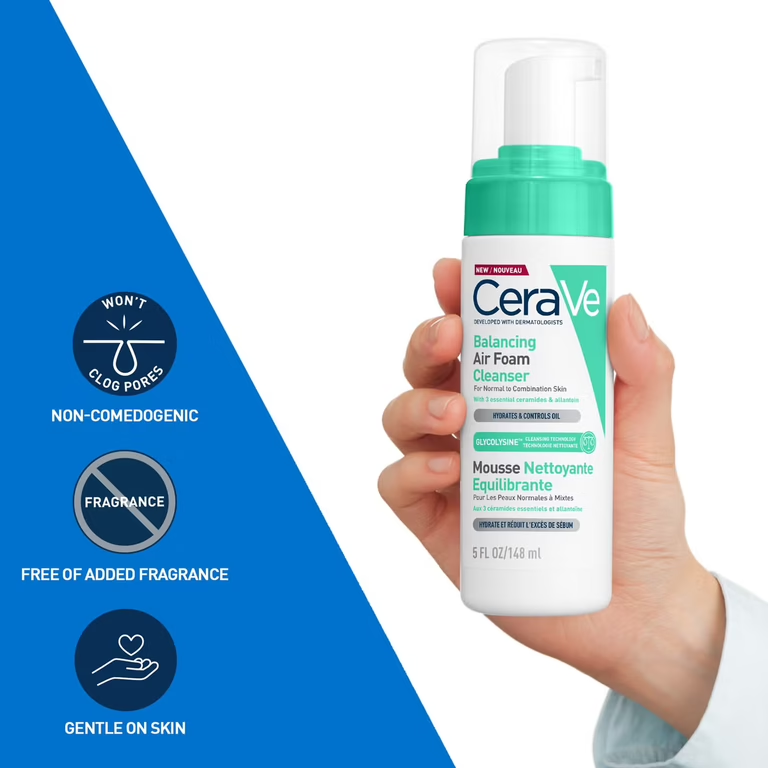
Winter skincare often involves gentler cleansing routines to avoid stripping already dry skin. As oil production increases in spring, adjusting cleansing habits helps prevent pore congestion and breakouts.
Using a gentle, pH-balanced cleanser can remove sweat, excess oil, and environmental debris without disrupting the skin barrier. Maintaining the proper skin pH is important because alterations in pH can influence barrier integrity and microbial balance.
 Increase Sun Protection
 Increase Sun Protection
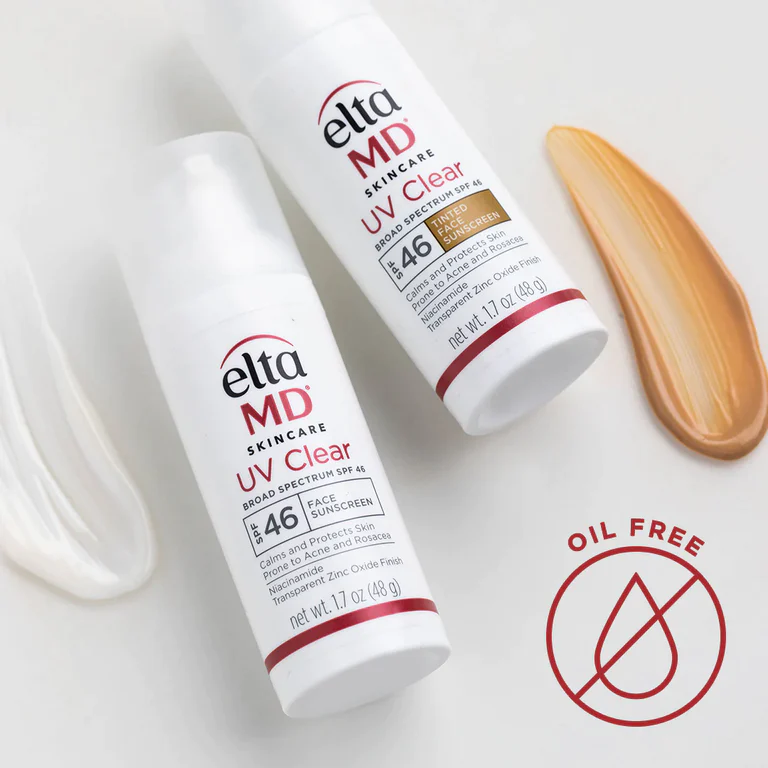
One of the most important skincare adjustments during the winter-to-spring transition is consistent sun protection. Ultraviolet radiation increases as spring approaches. Even moderate increases in UV exposure contribute to photoaging, hyperpigmentation, and increased skin cancer risk.
Because the skin may still be recovering from winter barrier disruption, protecting it from UV damage is particularly important. Daily use of broad-spectrum sunscreen with SPF 30 or higher is recommended, even on cloudy days.
Consider Gentle Exfoliation
 Consider Gentle Exfoliation
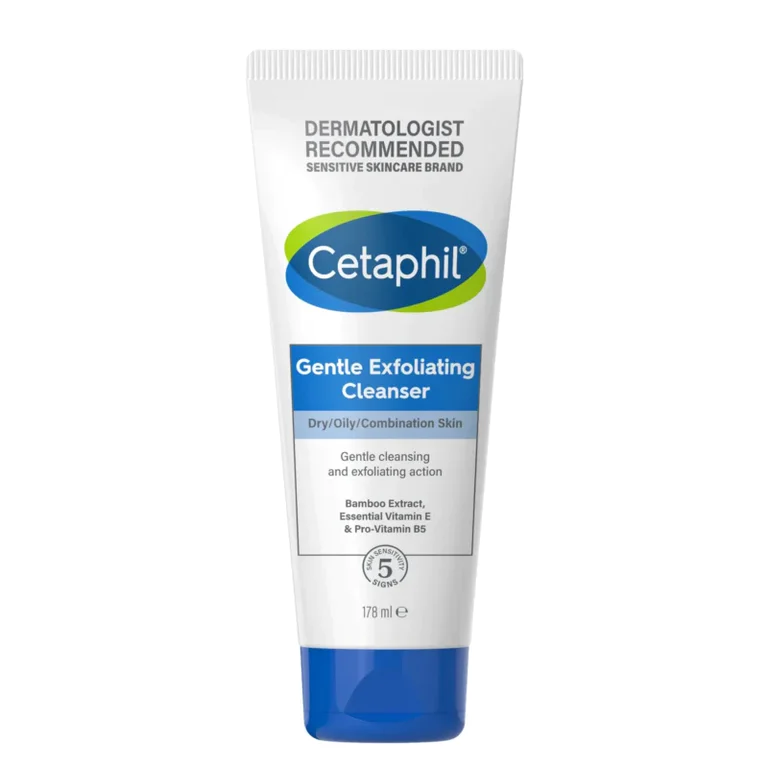
Winter dryness can lead to the accumulation of dead skin cells on the surface of the skin, resulting in dullness or rough texture.
As the skin transitions into spring, gentle exfoliation may help improve skin texture and promote cell turnover. However, over-exfoliation can damage the skin barrier, particularly if the skin is still recovering from winter irritation.
Dermatologists often recommend mild exfoliating ingredients such as:
AHA (Alpha Hydroxy Acids)
BHA (Beta Hydroxy Acid)
PHA (Polyhydroxy Acids)
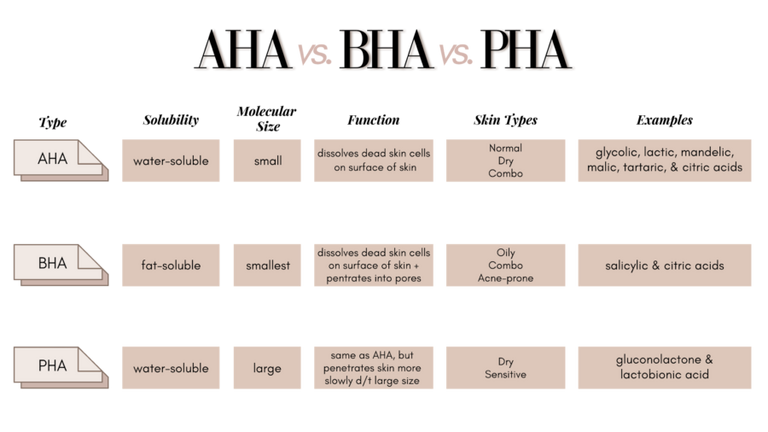
These ingredients can improve skin texture while maintaining barrier integrity when used appropriately.
 Monitor Changes in Oil Production
 Monitor Changes in Oil Production
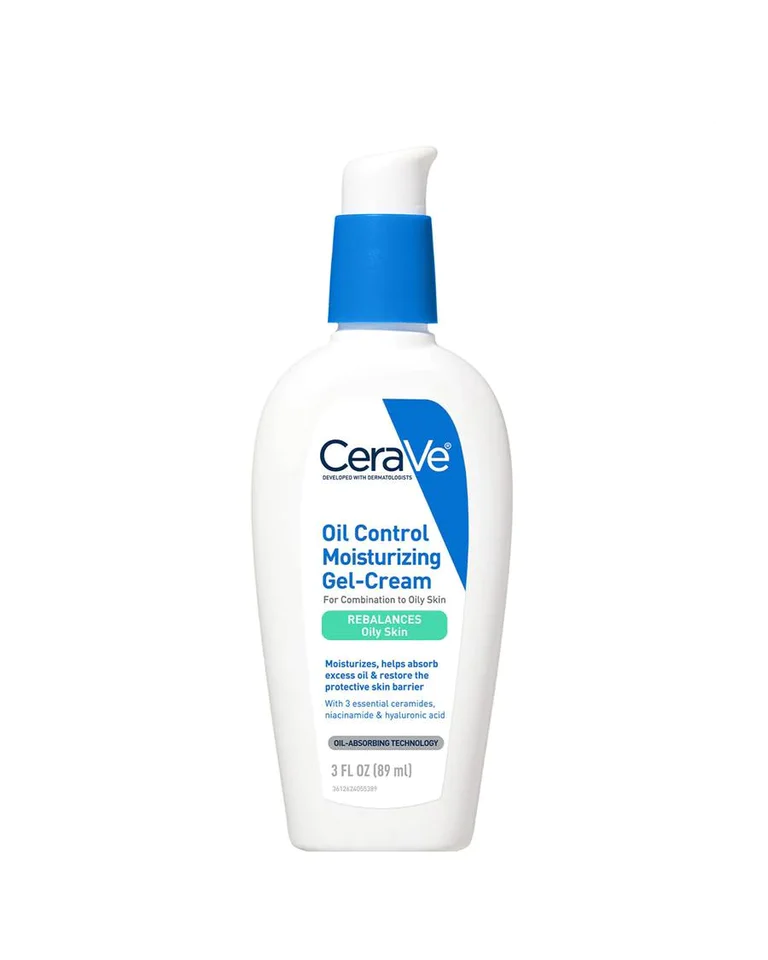
Many people notice increased oil production in spring due to rising temperatures and humidity. Sebaceous glands respond to environmental changes, and increased sebum production can lead to clogged pores and acne breakouts in susceptible individuals.
If oil production increases, skincare adjustments may include:
- Non-comedogenic moisturizers
- Oil-controlling ingredients such as niacinamide
- Lightweight sunscreen formulations
These changes can help maintain balance without over-drying the skin.
Seasonal Skin Conditions That May Flare in Spring
Seasonal changes can also influence certain dermatologic conditions such as eczema and psoriasis, which often worsen during winter due to barrier disruption and low humidity. As spring arrives, symptoms may improve for some patients as hydration levels increase.
However, seasonal allergies and environmental triggers can cause new issues such as increased skin sensitivity, allergic dermatitis, and rosacea flares. Seasonal changes may also affect inflammatory pathways in the skin, contributing to fluctuations in these conditions throughout the year.
Supporting Skin Barrier Recovery After Winter
Even as temperatures warm, the skin barrier may still be recovering from months of environmental stress.
Supporting barrier recovery is important during the winter-to-spring transition. Key strategies include using moisturizers containing ceramides and barrier-repair ingredients, avoiding harsh cleansers or over-exfoliation, protecting the skin from UV exposure, and maintaining consistent hydration including drinking enough water.
Barrier repair is important because the stratum corneum plays a critical role in preventing water loss and protecting the skin from environmental irritants and pathogens.
When to See a Dermatologist
Seasonal skin changes are normal, but persistent symptoms should be evaluated by a dermatologist.
Patients should consider seeking dermatologic care if they experience:
- Persistent dryness or irritation
- Worsening acne
- Sudden skin sensitivity
- New or changing pigmented lesions
- Flare-ups of eczema or psoriasis
Dermatologists can recommend individualized skincare regimens and treatments that support healthy skin during seasonal transitions.
Embracing Seasonal Skincare Changes
Just as wardrobes change with the seasons, skincare routines should evolve as environmental conditions shift.
The transition from winter to spring brings improvements in hydration and barrier function for many people, but it also introduces new environmental challenges such as increased UV exposure and changing oil production.
By understanding how seasonal changes affect the skin and making thoughtful adjustments to skincare routines, patients can maintain healthy, resilient skin throughout the year. If you have questions about how to adjust your skincare routine for spring, a dermatologist can help develop a personalized plan that supports your skin’s needs during every season.