
Hearing the words “you have skin cancer” can feel overwhelming. Along with processing the diagnosis itself, many patients are suddenly faced with unfamiliar treatment options. One of the most common techniques for removing skin cancer is Mohs micrographic surgery. If you’ve been told Mohs may be recommended for you, you might be wondering
What exactly is Mohs surgery?
Why is it different?
And is it really the right choice for me?
What Is Mohs Surgery?
Mohs surgery is a specialized, highly precise surgical technique used to treat certain types of skin cancer. Unlike standard excisions, Mohs surgery removes cancerous tissue layer by layer, with your surgeon examining each layer under a microscope in real time. This allows the surgeon to confirm that all cancer cells have been removed before the procedure is complete, while preserving as much healthy tissue as possible.
Because of this meticulous process, Mohs surgery offers the highest cure rates for many skin cancers and is considered the gold standard for treating cancers in cosmetically or functionally sensitive areas. Cure rates for skin cancers treated with Mohs surgery can reach up to 99% according to the American College of Mohs Surgery.
Why Mohs Surgery Is Different from Traditional Excision
Traditional skin cancer excision involves removing the visible tumor along with a predetermined margin of healthy surrounding skin. That tissue is then sent to a lab, and results may take days. If cancer cells remain at the margins, a second surgery may be required.
Comparatively, Mohs surgery allows for immediate margin assessment. Each layer is mapped, processed, and examined while you wait comfortably in the office. This approach ensures:
- Complete cancer removal before reconstruction
- Smaller scars due to minimal tissue removal
- Lower likelihood of needing additional surgeries
For patients, this often means greater peace of mind and better long-term outcomes.
What Types of Skin Cancer Are Treated with Mohs Surgery?
Mohs surgery is most often used to treat basal cell carcinoma (BCC) and squamous cell carcinoma (SCC). It may also be recommended for certain less common or more aggressive tumors.
Your dermatologist may recommend Mohs if the cancer:
- Has recurred after previous treatment
- Has poorly defined borders
- Is growing aggressively
- Occurs in a high-risk location
Does Location Matter?
Yes.
Location plays a major role in determining whether Mohs surgery is appropriate. Mohs Appropriate Use Criteria (AUC) are guidelines published by the American Academy of Dermatology in collaboration with the American College of Mohs Surgery, American Society for Dermatologic Surgery, and the American Society for Mohs Surgery with the goal of maximizing cure rates and minimizing healthy tissue loss.
Mohs is especially beneficial for skin cancers located on areas where preserving healthy tissue is critical, such as the face and other highly visible or functional regions. These areas include the nose, eyelids, lips, ears, scalp, hands, feet, and genital region.
Because Mohs removes only the tissue that contains cancer, it helps maintain natural contours and function, which is especially important for facial structures.
Who Is a Good Candidate for Mohs Surgery?
Mohs surgery may be right for you if you:
- Have been diagnosed with basal cell or squamous cell carcinoma
- Have skin cancer on the face, ears, scalp, hands, or feet
- Have a recurrent tumor
- Have an aggressive or fast-growing cancer
- Want the highest possible cure rate
That said, Mohs is not necessary for every skin cancer. Many early, low-risk cancers in less sensitive areas can be treated successfully with simpler procedures. Your dermatologist will help determine the best approach based on your specific diagnosis, health history, and goals.
What Happens During Mohs Surgery?
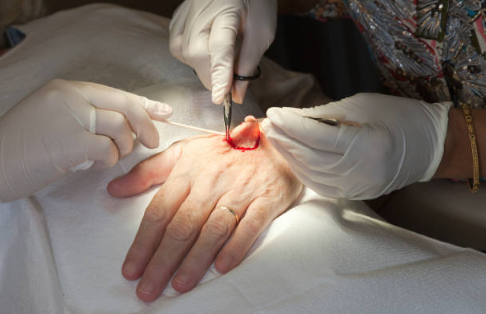
Mohs surgery is performed right here in our office under local anesthesia. Patients remain awake but comfortable throughout the process.
The procedure follows a structured, step-by-step approach. After numbing the area, the surgeon removes a thin layer of tissue and applies a te
mporary bandage. You’ll relax in the waiting area or treatment room while the tissue is processed in our in-house lab and examined under a microscope by the surgeon. If cancer cells are detected, another layer is removed only from the precise area where cancer remains.
This process is repeated until all cancer cells are cleared. Once the area is cancer-free, the surgeon will discuss repair options, which may include allowing the wound to heal naturally, placing stitches, or performing a reconstruction.
While the surgical portion itself is brief, the full visit may last several hours due to processing and analysis time. Patients are encouraged to plan for a flexible day and bring a book or device for entertainment between stages.
Is Mohs Surgery Painful?
Most patients are surprised by how comfortable Mohs surgery is. The area is fully numbed, and pain during the procedure is minimal. Some soreness or tightness afterward is normal and typically well controlled with over-the-counter pain relievers.
Your care team will provide detailed aftercare instructions to support healing and minimize discomfort.
What About Scarring?
Any surgery will result in some degree of scarring, but Mohs surgery is designed to minimize scar size by preserving healthy tissue. Additionally, because reconstruction is often performed by the same surgeon immediately after cancer removal, cosmetic outcomes are carefully considered.
Scars continue to improve over time, and many patients find them barely noticeable months after healing.
Your care team will follow you throughout the healing process following Mohs surgery, and will provide guidance and interventions to minimize the appearance of the scar or to treat a symptomatic scar.
Recovery and Healing Expectations
Recovery varies depending on the size and location of the surgical site, but most patients return to normal activities within a few days. Strenuous activity may need to be limited temporarily to promote proper healing.
Follow-up visits ensure the site is healing well and provide an opportunity to address any concerns. Long-term, regular skin checks remain important, as having one skin cancer increases the risk of developing another in the future. After you have been diagnosed with skin cancer, your dermatologist may increase the frequency of your skin cancer screenings.
Are There Risks?
Mohs surgery is very safe, but like any surgical procedure, there are potential risks. These may include bleeding, infection, temporary numbness, or scarring. Serious complications are uncommon, especially when performed by a trained Mohs surgeon.
Your provider will review risks and benefits with you before the procedure so you can make an informed decision.
Is Mohs Surgery Covered by Insurance?
In most cases, Mohs surgery is covered by insurance, including Medicare, because it is considered medically necessary for appropriate diagnoses. Coverage specifics depend on your plan, and your dermatology office can help verify benefits and answer billing questions ahead of time.
How Do I Know If Mohs Surgery Is Right for Me?
The decision to proceed with Mohs surgery is a collaborative one. Your dermatologist will evaluate your biopsy results, tumor characteristics, medical history, and personal priorities to recommend the most effective and appropriate treatment.
If Mohs is recommended, it’s because it offers the best balance of cancer cure, tissue preservation, and cosmetic outcome for your situation.
Mohs surgery is about removing skin cancer thoughtfully, precisely, and with long-term health in mind. For many patients, it provides reassurance, excellent cure rates, and confidence in their care.
If you’ve been diagnosed with skin cancer or have concerns about a suspicious lesion, scheduling a consultation with a dermatologist experienced in skin cancer management is critical. Early evaluation leads to more treatment options and better outcomes.